
BMW Gearbox Problems: The Most Common Faults We See
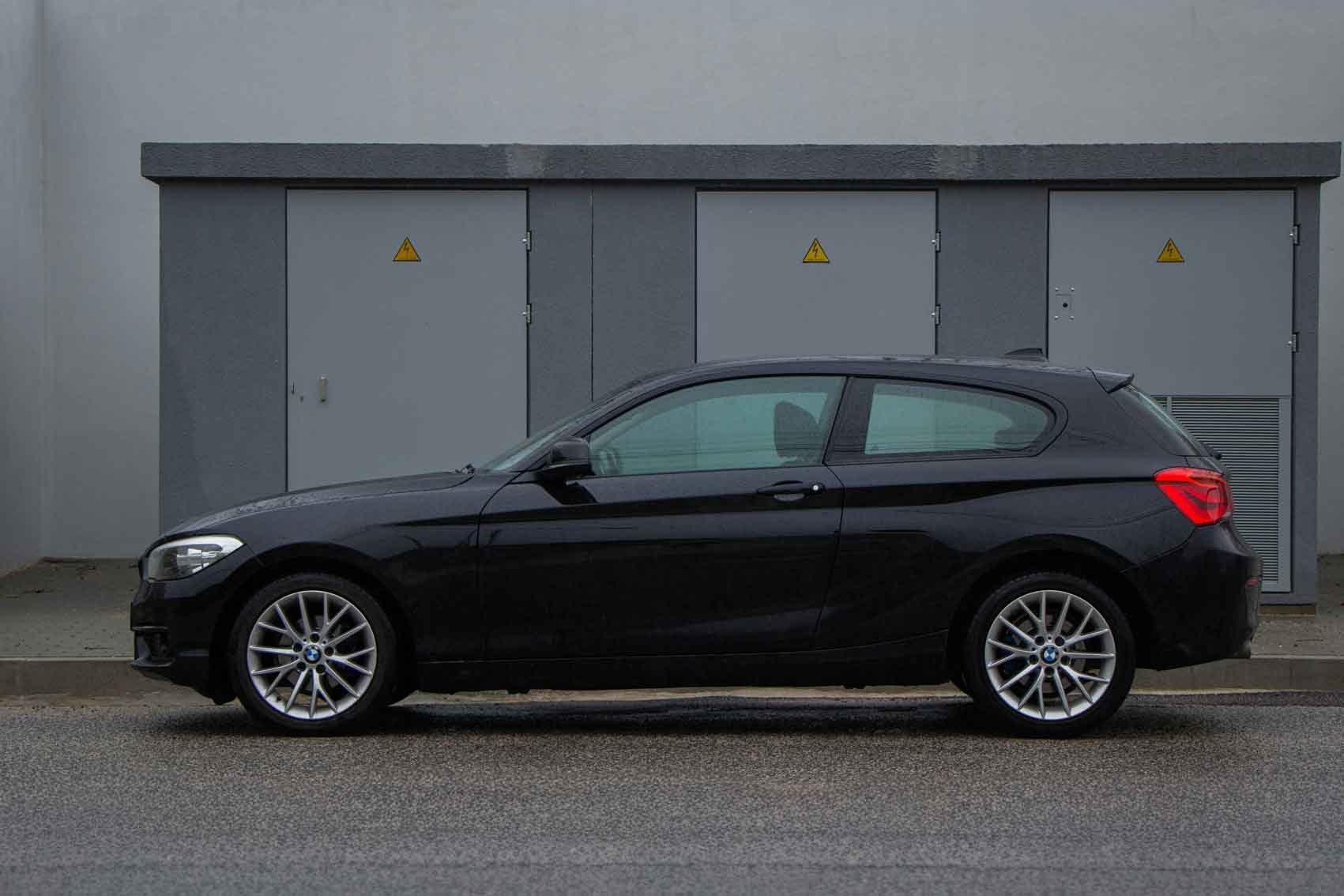
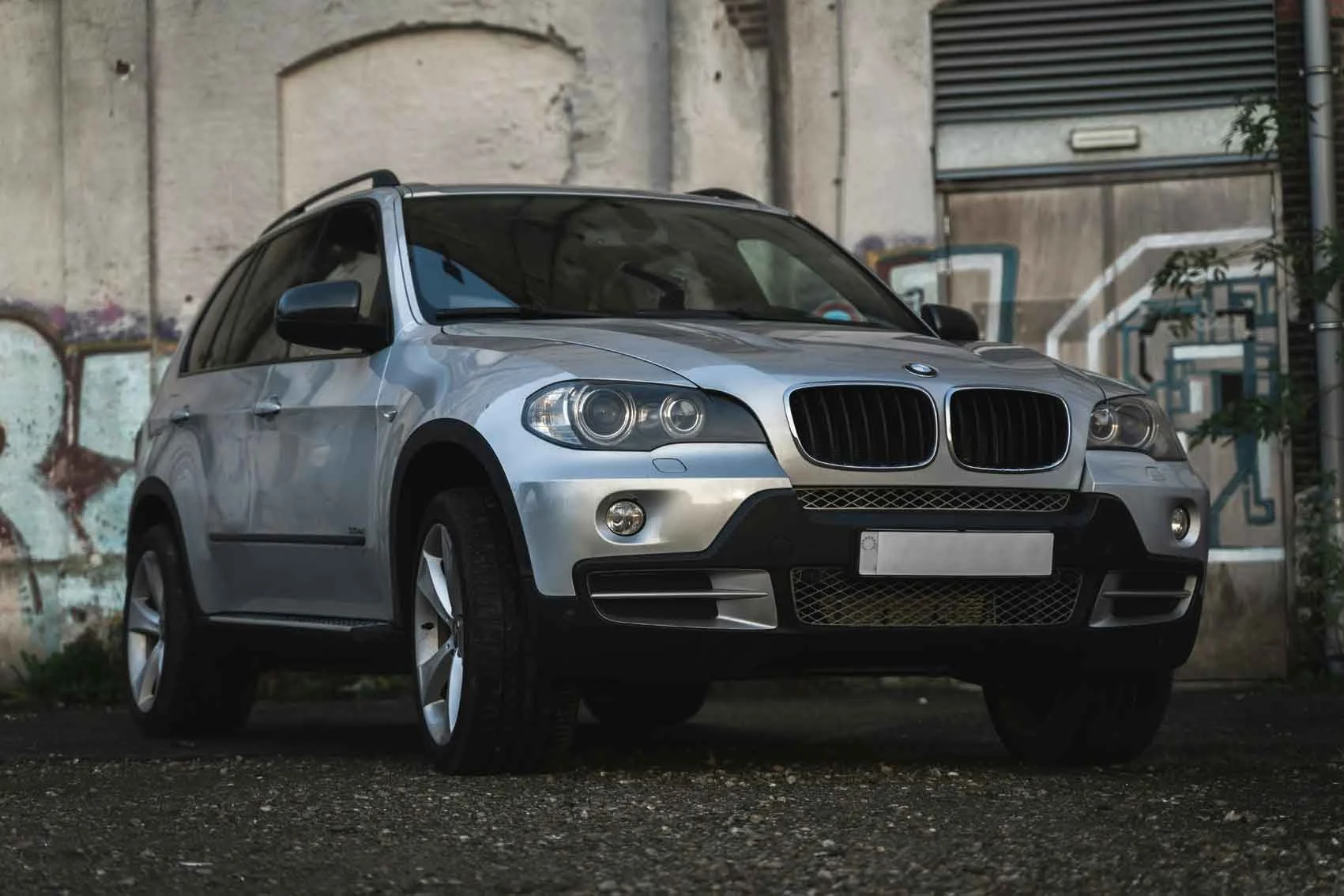
BMW vehicles are renowned for their performance, precision engineering, and driving experience. However, like any vehicle, they can develop mechanical issues over time. One of the most concerning problems for BMW owners is gearbox failure. Whether you drive a 1 Series, 3 Series, 5 Series, X5, or another BMW model, transmission issues can quickly become expensive if left unresolved.
Understanding the warning signs and common faults can help you address problems early, potentially saving thousands in repair costs.

BMW gearboxes are designed to deliver smooth and responsive gear changes. When something goes wrong, your vehicle will often provide warning signs before a complete failure occurs.
Common symptoms include:
Delayed gear engagement
Harsh or jerky gear changes
Slipping gears
Warning lights on the dashboard
Transmission overheating
Grinding or unusual noises
Loss of power during acceleration
Vehicle entering limp mode
If you notice any of these symptoms, it's important to arrange a professional gearbox inspection as soon as possible.

-
One of the most frequently reported BMW gearbox problems is gear slipping. This occurs when the transmission unexpectedly changes gears or struggles to remain in the selected gear.
Causes of Gearbox Slipping
Low transmission fluid levels
Worn clutch packs
Damaged gear components
Faulty transmission control module
Internal hydraulic issues
Drivers often describe the feeling as the engine revving higher than normal without corresponding acceleration.
-
Modern BMW automatic transmissions rely on a mechatronic unit to control gear changes electronically and hydraulically.
Over time, these units can fail due to:
Electrical faults
Solenoid failures
Fluid contamination
Excessive heat
Symptoms of Mechatronic Failure
Delayed shifting
Sudden gear changes
Transmission warning messages
Limp-home mode activation
Many BMW models fitted with ZF automatic gearboxes can experience mechatronic-related issues as mileage increases.
-
The torque converter plays a critical role in automatic transmission operation. When it begins to fail, drivers may notice:
Shuddering when accelerating
Vibration at motorway speeds
Poor fuel economy
Difficulty changing gears
Ignoring torque converter issues can place additional strain on other gearbox components, leading to more extensive repairs.
-
Transmission fluid is essential for lubrication, cooling, and hydraulic operation.
BMW gearbox fluid leaks commonly occur due to:
Worn seals
Damaged gaskets
Cracked transmission pans
Loose fittings
Signs of a Fluid Leak
Red or brown fluid under the vehicle
Burning smell
Gear change hesitation
Transmission overheating
Regular inspections can identify leaks before they cause serious damage.
-
Many BMW owners experience situations where the vehicle suddenly enters limp mode.
When this happens, the transmission restricts performance to protect itself from further damage.
Common Causes
Faulty sensors
Mechatronic failure
Low fluid pressure
Internal gearbox wear
Electronic control unit faults
A professional diagnostic scan is often required to pinpoint the exact issue.
-
BMW transmissions are engineered for smooth operation. If your gearbox begins changing gears aggressively, it may indicate:
Software issues
Worn valve body components
Contaminated transmission fluid
Solenoid malfunction
Many shifting problems can be resolved through early diagnosis and repair before major internal damage occurs.
Which BMW Models Commonly Experience Gearbox Problems?
While transmission faults can affect any vehicle, some BMW models are more frequently associated with gearbox issues as they age.
These include:
BMW 1 Series
BMW 3 Series
BMW 5 Series
BMW 7 Series
BMW X3
BMW X5
BMW X6
This does not necessarily indicate poor reliability but reflects the large number of these vehicles on UK roads and their advanced transmission systems.
Can BMW Gearbox Problems Be Repaired?
In many cases, yes. Depending on the fault, solutions may include:
Gearbox Diagnostics
Professional diagnostics can identify electrical and mechanical issues before they escalate.
Gearbox Repairs
Minor faults such as leaks, sensors, solenoids, and valve body problems can often be repaired without replacing the entire transmission.
Gearbox Rebuilds
For more serious internal wear, a complete gearbox rebuild may restore the transmission to manufacturer specifications.
Reconditioned Gearboxes
Where replacement is necessary, a professionally reconditioned gearbox can provide a cost-effective alternative to a brand-new unit.
How to Prevent BMW Gearbox Problems
While some wear is inevitable, regular maintenance can significantly extend gearbox life.
Best Practices
Follow manufacturer service schedules
Check for fluid leaks regularly
Address warning lights immediately
Avoid aggressive driving habits
Ensure transmission fluid is changed when recommended
Have unusual noises inspected promptly
Preventive maintenance is almost always less expensive than major gearbox repairs.
FREQUENTLY ASKED QUESTIONS
-
A well-maintained BMW gearbox can often last between 100,000 and 200,000 miles. Regular servicing plays a major role in longevity.
-
Driving with transmission faults can worsen the damage and increase repair costs. It is recommended to have the vehicle inspected as soon as symptoms appear.
-
Common causes include worn internal components, mechatronic unit failure, low fluid levels, overheating, and lack of maintenance.
-
Costs vary depending on the model and severity of the issue. Early diagnosis often results in significantly lower repair bills compared to complete gearbox replacement.
Final Thoughts
BMW gearbox problems can range from minor electronic faults to significant internal wear. The key to avoiding costly repairs is recognising the warning signs early and seeking professional diagnostics before the issue escalates.
If you're experiencing slipping gears, delayed shifting, warning lights, or unusual transmission behaviour, a professional gearbox inspection can identify the root cause and help you get back on the road with confidence.
If your vehicle is showing any of the symptoms above, early inspection is essential. Contact Planet Gears UK for expert gearbox diagnostics, honest advice and professional repair or reconditioning.
☎️ Call us today — our specialists are ready to help.